
Searching for advice is a photography project that was born from a need of advice from other artists. With time I decided to give life to this project because could be interesting for other artists that like me are searching for advice in art.
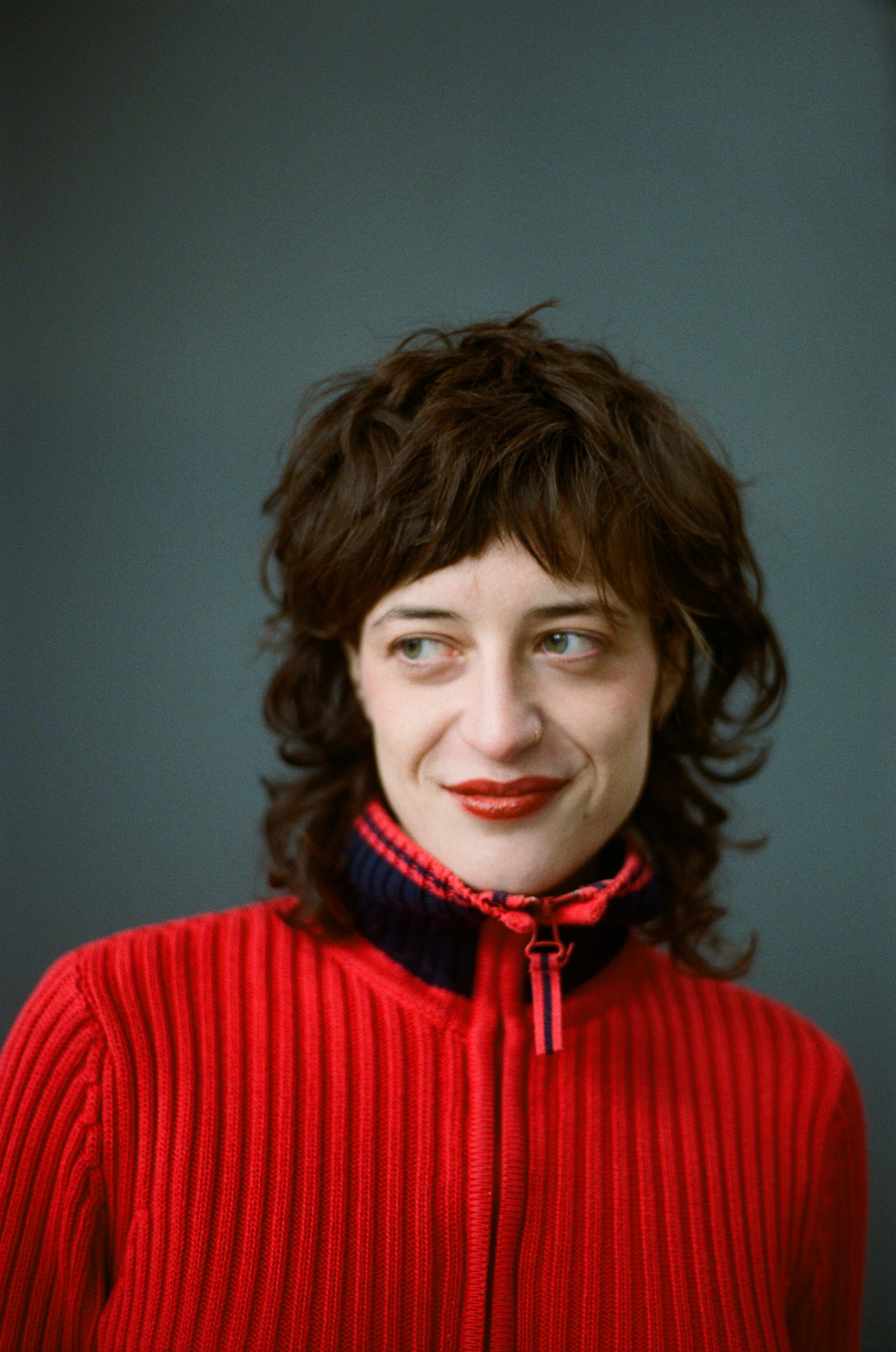
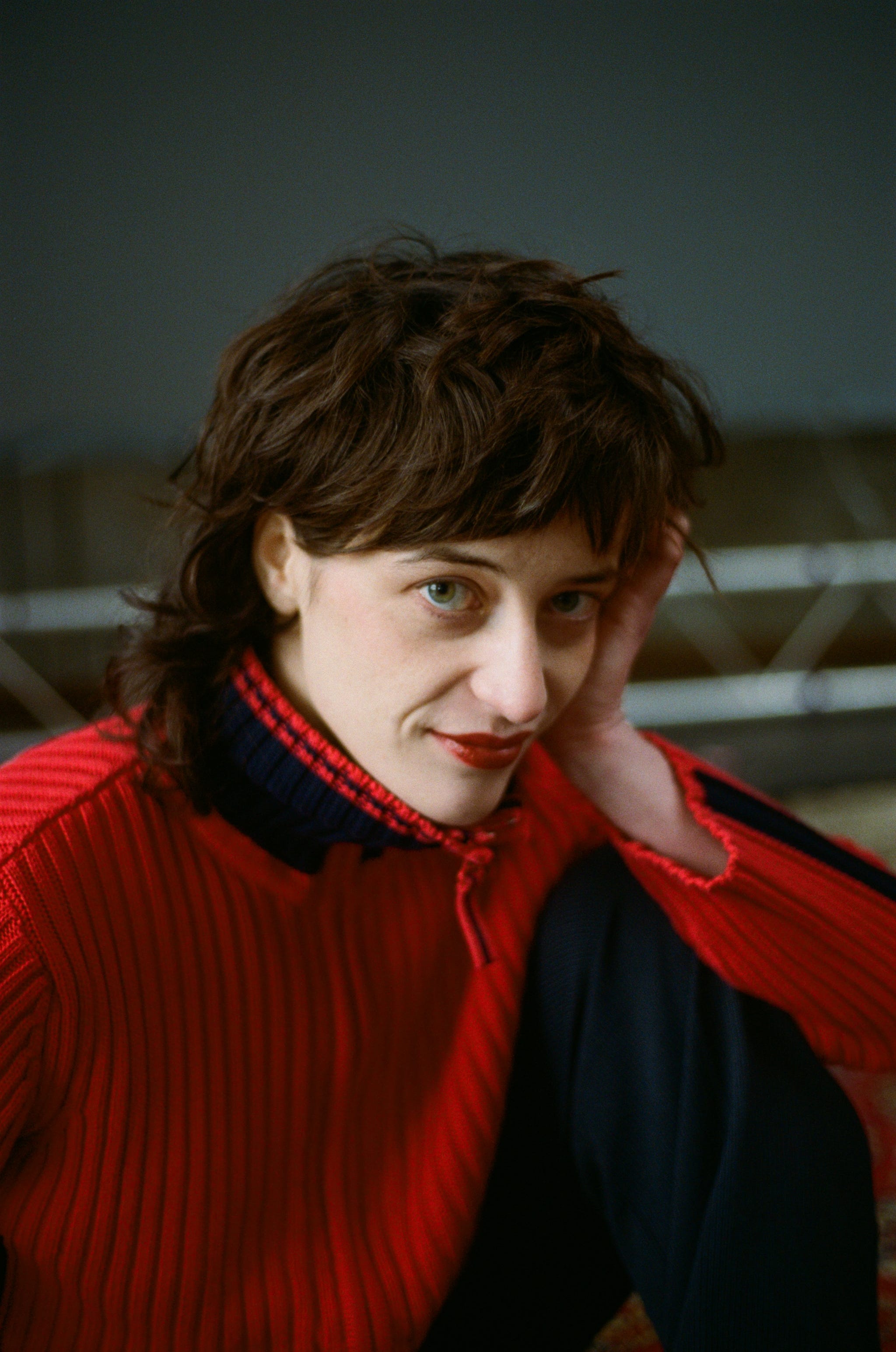
In this newsletter I’ll share with you the interview that I had with Nine Louvel, photographer based in Brussels (Belgium).
F: Do you work with photography or also other mediums?
N: I work mostly with photography, I do videography, but this is more from my day to day job. Let’s say mostly with photography.
F: When was your first encounter with the art? How was it?
N: I grew up moving a lot and I have a dad whose passion, when he was younger, was photography and cars. I grew up with my dad having an old Minolta and he was always taking pictures of us during trips. I always jumped, when I was a child, from hobby to hobby and nothing ever stuck, so when I made a thought when I was, I think fourteen, to get a camera, my mom was like “No, you’re not getting one, you’re gonna get bored of it”. My dad pushed me because he loved photography and I got my first camera when I was fourteen I think and I just never stopped. I mean it’s how I communicate, it’s how I perceive things, it’s how I translate things. I’m a very visual person, I need to translate what I feel, what I see, what I experience. I think when you are an artist whichever medium you choose, it’s a bit irrelevant, it’s what you want to convey, because you feel the urge to do, so you have something to say, even if you don’t know it consciously, it’s about communication.
F: How do you feel attached to photography for example?
N: I mean, my camera is an extension of my arm. I feel very connected to it now, but there was a big disconnection after I graduated from art school, because it was a very traumatic experience. I entered there when I was barely eighteen and I didn’t know what was normal and what was not normal, in the sense that I grew up around adults that I could more or less trust, so I put trust in my teachers and when there was mental abuse, when there was sexual harassment, when there was a lot of things going on in the school, I was questioning myself, I was not questioning authority. Even from an artistic point of view, it was very, I would say, abusive, toxic and mentally very challenging, humanly and artistically speaking, but not in a good challenging way. More in a destructive way. I thought that you could only create by destroying, or with a sort of negative energy. I didn’t know that was possible to step away and do something positive actually, this I learned afterwards. To go back to your question, the connection to photography is... I don’t think it’s something I chose, it was there. I’m not a very patient person, so I tried drawing, I tried a lot of things, but it took too much time and it was not as direct as a translation of the world as photography is.
F: In any case, you were connected with the art.
N: Yes. I was thinking on my way here “Which inspirations do I have?”, maybe I have a couple of names that come to mind, but otherwise it’s more an emotional connection with people that surround me, or places, or just simply feelings, depending on which emotional state I’m in than really a connection with photography itself. It’s the medium I use to translate, but doesn’t strike me more than music for example.
F: For example, the school didn’t give you an opportunity to go into the art world more seriously.
N: No. I think in this specific school of La Cambre, you have to put yourself in the center. You could collaborate with other people, but it was yourself first, you were taught to be afraid of others’ talents, not to collaborate with them, not to grow with them. We were also not taught or shown how to make it in the art world. There is of course the conceptual art world, we can experiment, but there is this very concrete thing of: you have to make a living out of it, you have to be professional, you have to know legal terms, you have to know how to sell yourself, you have to price yourself. This was all unknown, so it was not a very teachable experience.
F: And how did you learn all of this?
N: I would say by getting scorned again and again, by being taking advantage of. See, it’s very easy when you don’t know your worth. I spent years in a scholar system telling me that I was worth nothing. I even now have troubles calling myself an artist or a photographer, because I still don’t feel very legitimate, because of this experience. It’s getting better.
F: After La Cambre, you decided to study somewhere else, in other schools, or wasn’t an option?
N: No, I stopped my first year of master, because I got a job at Forest's cultural center, the Brass, where we're sitting now! I just stopped going to school, all of a sudden. I realised that this job here was healthy, people actually value you, they consider you... What was the question?
F: How did you learn to value yourself, for example? Or how the market works?
N: Honestly by reaching out to people and... I had a hard time before putting myself out there with my work because I felt that with photography I was taking from other people when I was asking them for a service. For example, if I was asking them to collaborate with me, I was in the position of demand. But it’s when you actually realise that while you might be the one proposing a certain collaboration, you aren't actually... asking for something —you’re giving something to the world, you’re giving to people you work with. It’s about trusting yourself and about trusting that you have something to offer. It’s a human experience that transforms into a collaboration. Obviously, you have to work for food, you have to work for rent, but it was the moment that I stopped seeing myself as demanding of other’s people time, and money, and I was actually “Ok, I’m actually providing a service that people want. They’re curious, they like it.”. Then you start building up yourself, and your portfolio at the same time, and you feel more secure in what you do.
F: For example, now I feel a little bit stuck because I tried to study in different schools, in different masters, but I feel they are not suggesting a way to become a professional.
N: Indeed. Academies are not for everyone obviously, because there is this imbalanced relationship that it is everything but linear, and you've got this hierarchy of teachers, then their students. Especially in art school, there is this weird teacher-student dynamic that reminded me of what we can read about the old masters' privileged position in contrario to their alumnis' status. I think being in an art school is to be very sheltered, you’re in a sort of bubble and you have no clue how it works out there.
F: But you feel at the same time secure, for me it was like this.
N: Did you feel secure?
F: Yes. During my bachelor, I had a lot of opportunities to do my performances, and to have my atelier in the academy, but is just an exception for me. Is not so easy to find something like this, I feel. It’s rare.
N: Yes. I’m thinking... That’s the thing, you’re in a bubble, so you have no knowledge of what is looks like to collaborate with people. But, I’ve seen other people from La Cambre, who now have collectives together, who have flourished. I guess my experience isn't, luckily, universal.
F: I saw different people that go out from there, and they’re like “What I will do now?”. There is no connection with the external world. For example, I was in the master there, for the Erasmus, and I think I made the worst choice to choose photography, if you asked everyone “What you will do after”, they would answer “I don’t know .”.
N: Yeah, because they don’t actively tell you which sectors are recruiting, or how you can build a career out of it... It’s very on the concept, it’s: how to be an artist? But the thing is, you have to survive, you have to make a living, you have to grow. Even when it comes to exhibiting, you know, they don’t tell you how to do anything. You have to figure it out yourself. It can be ok for some people, but you’re in a school for a reason, otherwise, you would be just out there doing your own thing. You’re in a school because you need guidance, you’re asking for guidance, and in my personal case, I don’t feel like I got it. I feel that it made me internalize harsh voices, and brought more self-doubt honestly —which is now really far away, but it took a long time.
F: For a period I took my camera away because I was working on a really personal project. I always work on a personal project usually and this was very tough for me because it is about the death of my mother, so I had a heavy attachment to this project, and there was the teacher just objectified it too much the project without thinking “Ok there is something personal that could be very difficult to touch”.
N: They’re not good psychologists indeed. When did she pass?
F: Six years ago.
N: How old are you?
F: 27.
N: I’m sorry, mine passed when I was 14 and I know what it feels like.
F: So, when you put this thing in your artistic practice, I’m sure you have to be prepared for this, but you don’t expect this from the school, not in this way.
N: That’s I think something beautiful and also a problem with being an artist in general, we don’t take off our shoes at the end of the day and leave all the crap of the workday behind and go home and just chill with family. It’s something that you carry with you, you’re emotionally connected to your job because your job is you. So, it’s very hard because you have to be emotionally present at 1000% to be good and for a project to grow . But at the same time, you have to step away from it and look at it more objectively. It’s a beautiful thing because you get to work by passion, you get to be invested in something that you feel matters, which is for me essential. If you don’t believe in what you’re doing, it doesn’t make sense. You have to believe in what you do, it’s the most important. Being so linked to your work, being yourself means that whenever you get criticism whether positive or negative, whenever you get feedback, whenever you put it out and somebody else has to look at what you do, their reaction will be taken personally because they’re reacting to you, they’re reacting to you as a human. Is something that is not possible to detach from yourself. Is about “What I felt, what I try to communicate, is not received in this way.”, so you question yourself again, you have to rework this and it’s emotionally very challenging. It's beautiful too, but you have to be prepared. And it’s crazy, I remember also in school the teachers trying to tell us to do a project deeply personal but the thing is, that at this time what their guidance was feeding in me, was only negative things, destructive things. The project that they liked when I was in a very... I’m bipolar, I wasn’t diagnosed at the time. When I was unknowingly in a manic, psychotic delusional state, this is what they liked. The thing is, it was eating me alive. But I thought this was the only way and the only intensity at which I could produce good things, so I was frantically feeding into the self-destruction. I was literally using drugs, and everything I could put my hands on, slowly killing myself just because I thought that this was the only way I could project something in the world that would be worth it. This is what I was told. This is what I heard —at least, what I choose to hear. So, a lot changed.
F: For example now, how is your practice?
N: It is fun. I see the pictures I take as a base. Then I rework them, I play —whether is just printing, distorting or even on Photoshop, overlaying... It’s just a canvas. I work on intuition honestly, like it’s all about shapes, it’s all about having things flow. I just know when it’s done. It also really depends on the time of year. Now, since I take medication, it's less intense. There is a season when I can really get into a hypomanic state. Which is great for creativity and energy levels, honestly. But I have to be careful. It’s a balance to find. I'd say my practice now is solid because the foundations I'm standing on are solid. I’ve surrounded myself with people that have this... solar energy? People that just want to share. Whether it's like a music collective that I work with, or just individual people. It’s really nice ‘cause they give me “carte blanche”, they don’t give me guidance, usually goes more like “Ok, you do you, and then we see”.
F: They trust you.
N: Yeah. And this is nice actually.
F: Is really precious.
N: It is. I mean, in all forms of human relationships, or work relationships, it’s about trust. My practice also allows for creativity outside of the idea that I NEED it for survival. I have a full-time day job for this, the surving part. If I ever have to rely on my artistic practice to eat and have an apartment, I don't think I'm going to like it too much. It would put too much pressure on the one thing a camera for two years. It was simply impossible. When I finally felt like I could pick up the camera again I told myself I would do it in my own terms, I would take no bullshit, no pressure, no external sources of telling me how to do my thing, because it touched to something unhealthily personal. Today I actively seek criticism, but before I was like “You’re touching a way too sensitive part of me. Do not say anything about my work.” I'd be getting this overwhelming feeling of shame and total panic whenever I relunctantly showed my work. It’s very vulnerable. Back then, if you were looking at my work, you might as well have seen me stripping naked in front of a crowd and yelling “Ok, here “I am!”.
F: So, how did you start building your career?
N: I would say by working with the people I felt were right to work with. Also being reliable, in a sense that... It’s about care also, for other people. This I think I generally have. When you have a personal traumatic loss, a tragedy, then you want to overcompensate by trying to actively save everybody. You want to find a solution to external problems you’re always trying to solve. All this, because it feels like it's the only way you'll feel it makes your existence legitimate, in a way. I used to have this a lot, but now that this savior's complex doesn't define me anymore, what's left of it can be resumed in one word : care. I developed a strong sense of care for other people. I think I started to build my career by saying “Yes” to a lot of things... I mean, I worked on shitty projects of course, but it’s about growing from every one of them, it’s about thinking “Ok, so this was bullshit, but what did I learn in the process?”. Trying to have a positive outlook on every experience that you’re facing. I try to see the best in every opportunity, I guess. This is essential. As I said I’m not a very patient person, if something doesn’t make me happy, I’m done. So it has to be challenging but also to be rewarding. This is how you get fast and good at what you do, I think. You trigger your brain's reward system.
F: So, you started with collaboration?
N: Yeah, indeed. For example with Metropolis collective, I used to go to their parties a lot and thenone day I just walked with my camera. When I was in La Cambre, and even a bit after, it was more about taking, always taking. it was about partying, it was about abusing things, it was about taking from the night, taking from people... And then two and half years ago I got clean, I got medicated, I got sober, and now, It's about giving back. It’s linked to what I first said when we started talking about valuing your work —and knowing that you’re not the one in the position of demand. You want to give something to the world with your craft. Nowadays it’s really about giving back to people, giving back to the night. Also, I’m a bit restless, I always have to keep busy, so it helps with all the running around. Just before I was running around and being everywhere and nowhere. Now I run around but it’s a bit more organised.
F: Which advice would you like to give to another artist who is trying to go inside the art field or with collaborations but doesn’t know how to do it?
N: Talk to people, whether it’s on the street, or at the bar. I'm afraid I sound like a boomer, but for real, it’s about the randomness of meeting people. You fucking never know... If you see this woman passing on the street and she has a nice scarf, you just go for it, you reach out and talk, and maybe “Oh wow, she works in music, she is on a project...”. It’s about letting people know that you’re there, that you’re interested and that you have something to give. Curiosity is key. You have to be interested in people if you want them to be interested in you, —obviously not doing that transactionnally, but because you mean it. I mean, we’re always learning, we always shape shifting, growing... For example, I don’t take my influences in art books, I take them in my everyday life, from the people I meet, from the colours I see. It evolves all the time, so you just have to be curious. I don't spend my days going out, I also have days where I can barely talk to people, days when the idea of taking the tram is unbearable. And that's okay. The days where you feel like it, without forcing it, if you feel like talking to people, fucking go for it. You never know where it can lead, and especially in Brussels, connections are made so easily. People care, and people are naturally curious and outgoing.
F: Are you from Brussels?
N: I’ve been here for ten years, so yeah. No, I’m French originally, but we moved a lot when I was a kid, it’s the first time that I spent more than five consecutive years in one same city. Yeah, this is home. Circling back to my advice, I'd say: Take a fucking break. You have to know yourself, after school. What I mean by that is we are in constant evolution, and the key to creating is understanding how you function, if not being able to put words on who you are. You have to trust the process. You need some solid bases before, like getting comfortable with yourself. And growing in the understanding that you can’t produce relentlessly everyday. And that these epic moments of creativity should be cherished.
F: I think the more you push yourself when it is not the moment, the less you produce.
N; Yeah, you have to listen to yourself. This is something I still actively struggle with, like for example when I have phases that are really low ... This is really something I’m learning to cope with. I always base my worth on my artistic production. So the moment when you're unable to 'produce', because... you can’t, it's easily dangerous to slip into thinking “I’m shit”. This is really something I struggle with, but I’m learning. If it gets a bit too intense in your head, you need people who will tell you what is “normal”. There is no “normal”, but you need people that keep you in check. It's essential not to isolate.
F: For example, I feel that I’m stuck now because when at the end I finished the master, I was not happy about it. I was totally “Ok, with these two years what have I learned?”.
N: Nothing.
F: And what did they teach me about how to be an artist also outside the school? How to live with your art? Because I struggle a lot with having another job, I really feel frustrated when I have to work in a bar, in a restaurant, or this kind of stuff, I really hate it. Now I feel stuck because I feel that I’m ready to start with art for real and not just in my little bubble.
N: What is missing?
F: I think something from outside, I would like to be able to do my art and for example get paid, basically, doing something in art and not be always related to a restaurant that takes all your energy, because I had a burn out three weeks ago...
N: Realistically speaking you need money to come in. But I would say, find a job that is brings you closer to the cultural sector. I mean, be surrounded by people that are working in the field, that are interested in art. Stay in the sector, stay reachable. That’s my advice. Of course, horeca is the way to go, but you need to have one foot in the cultural sector. Go to events, go to concerts, talk with people. You also have to find people who are willing to transmit their knowledge, this is important in every aspect. You have to put yourself out there and say “Hey, I’m here, I’m looking for a fucking “job.”, and there are various tools that will help. Go out, a lot. Like, be interested in the local scene,get to recognize its familiar faces. At some point, they'll remember you...
F: By how you talk seems that you really care about the people, and I think in the art world is something that sometimes we miss, and it’s very important.
N: I think people are pretty fascinating. Some days I fucking hate people, like everyone, but most of the time I think it’s... I find it beautiful, I find people really really beautiful. Like even in the body, there is something that is really fascinating to me, how people move. I don’t know why. I think it was because I was surrounded by people who were not very healthy, let’s put it like this, that now that is completely the opposite, I really value it. I don’t think it’s fragile, but it’s delicate, it’s wonderful to witness people striving to find their balance. I might think like a child, but I don’t make compromises, I don’t to sacrifices. I hated this way of functioning, but the thing is, that’s how I work. I’ve come to accept it. Being someone who refuses to make compromises or sacrifices means having to put in the work to hold everything together. Now that I know how I function, I recognize I have to be straightforward. I work by passion, never knowing where anything is headed, but I have this drive. It's internal, invisible, but I just know. I've always known where I was going. The paths might have multiple trajectories... they all are infused with distinct colours and patterns I have come to recognize. I can’t really explain, it’s inside of me. I just know to stay focused and that i'm going the right direction. It's this ferocious feeling of knowing that you're exactly where you’re supposed to be at this moment.
F: Do you feel it?
N: Yeah. I think it’s a very powerful feeling, but one to be careful about also. It’s not about feeling that you’re good, or that you’re the best or whatever, it’s about knowing that you’re here at this moment for a reason. Now what you make of it is up to you, and it’s ok if you make nothing of it. If you don’t have the resources, the energy, it’s ok. But if you can, fucking go for it. Staying motivated, as I said, is purely chemical, it's about the fucking dopamine hits in your brain. We don’t start all with the same genetics, and I've personnally found it a bit hard to find balance sometimes. Life is good, for now, today, right now.
F: I feel that we could stay here and talk for hours, it’s so beautiful. Thank you.
N: Thank you, it’s really nice.
For today it is enough, see you in the next newsletter!
Take care,
Flavia